


Navigator Figueira da Foz
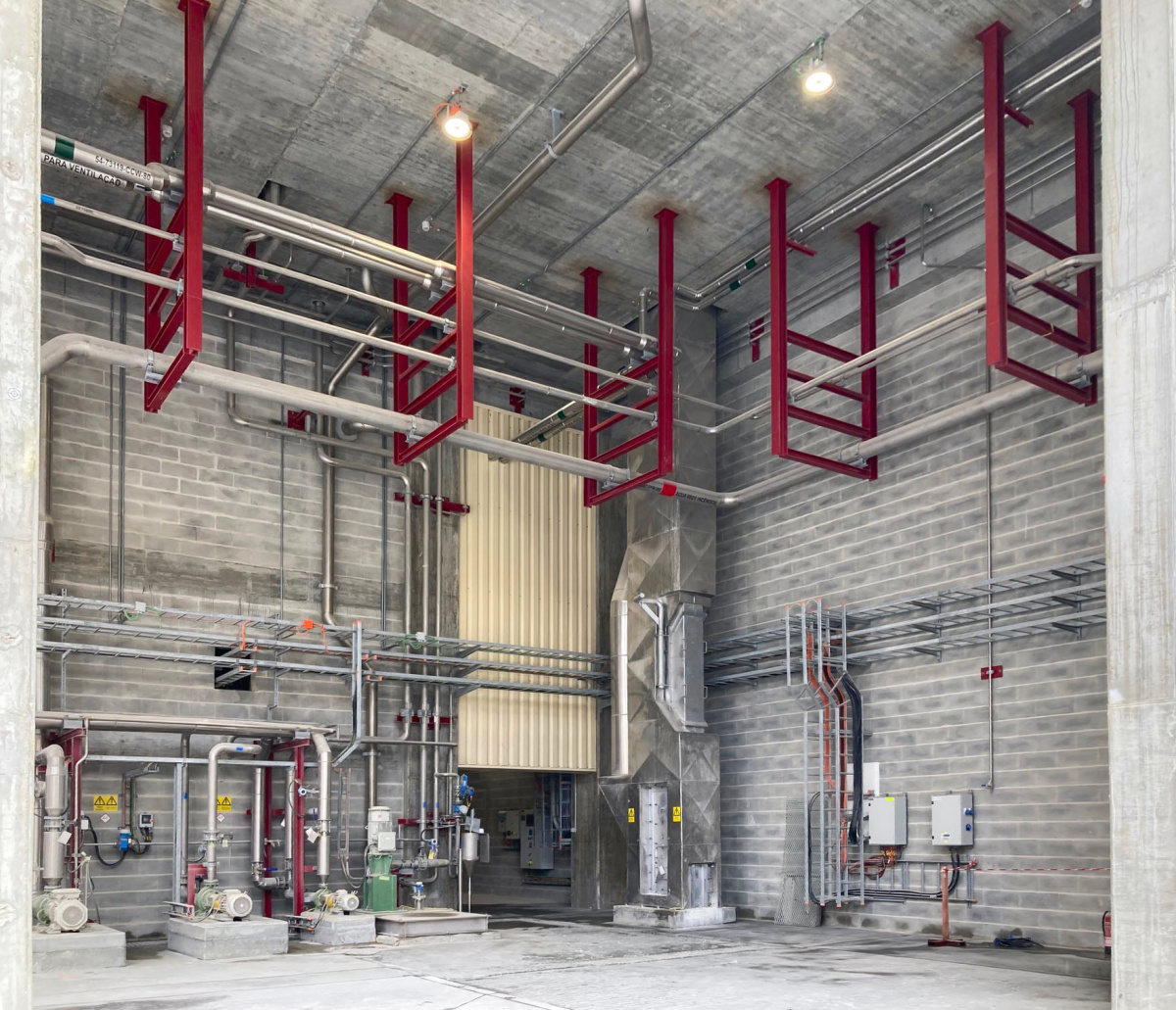
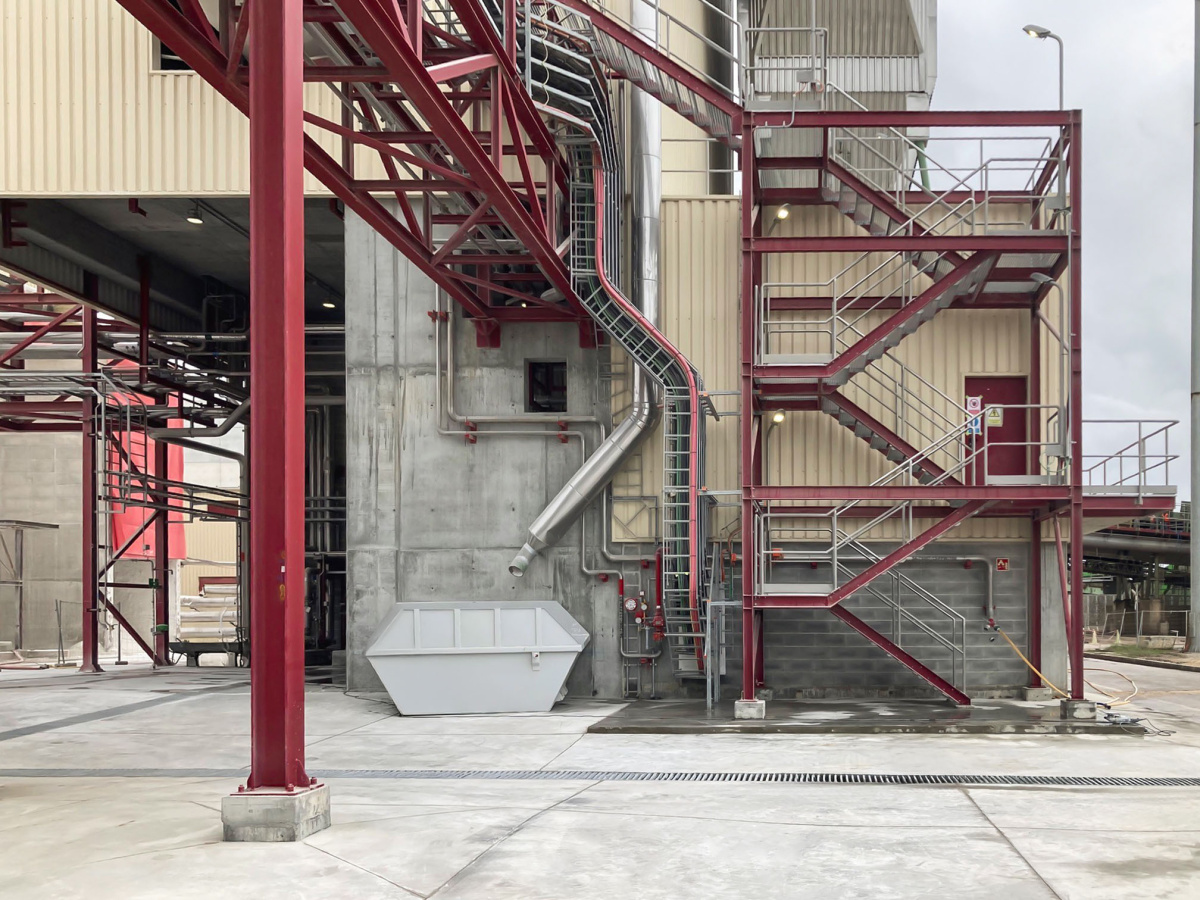
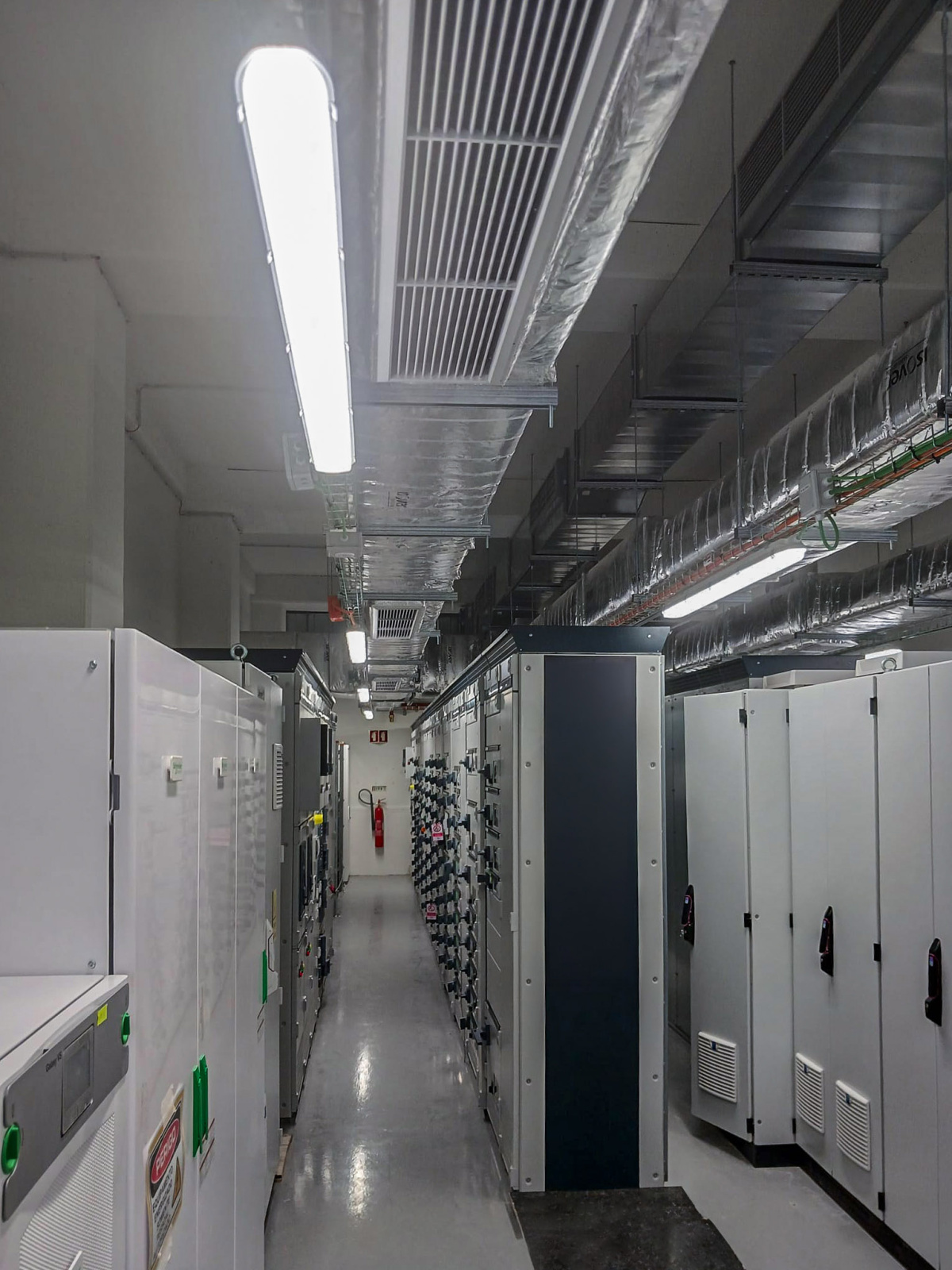
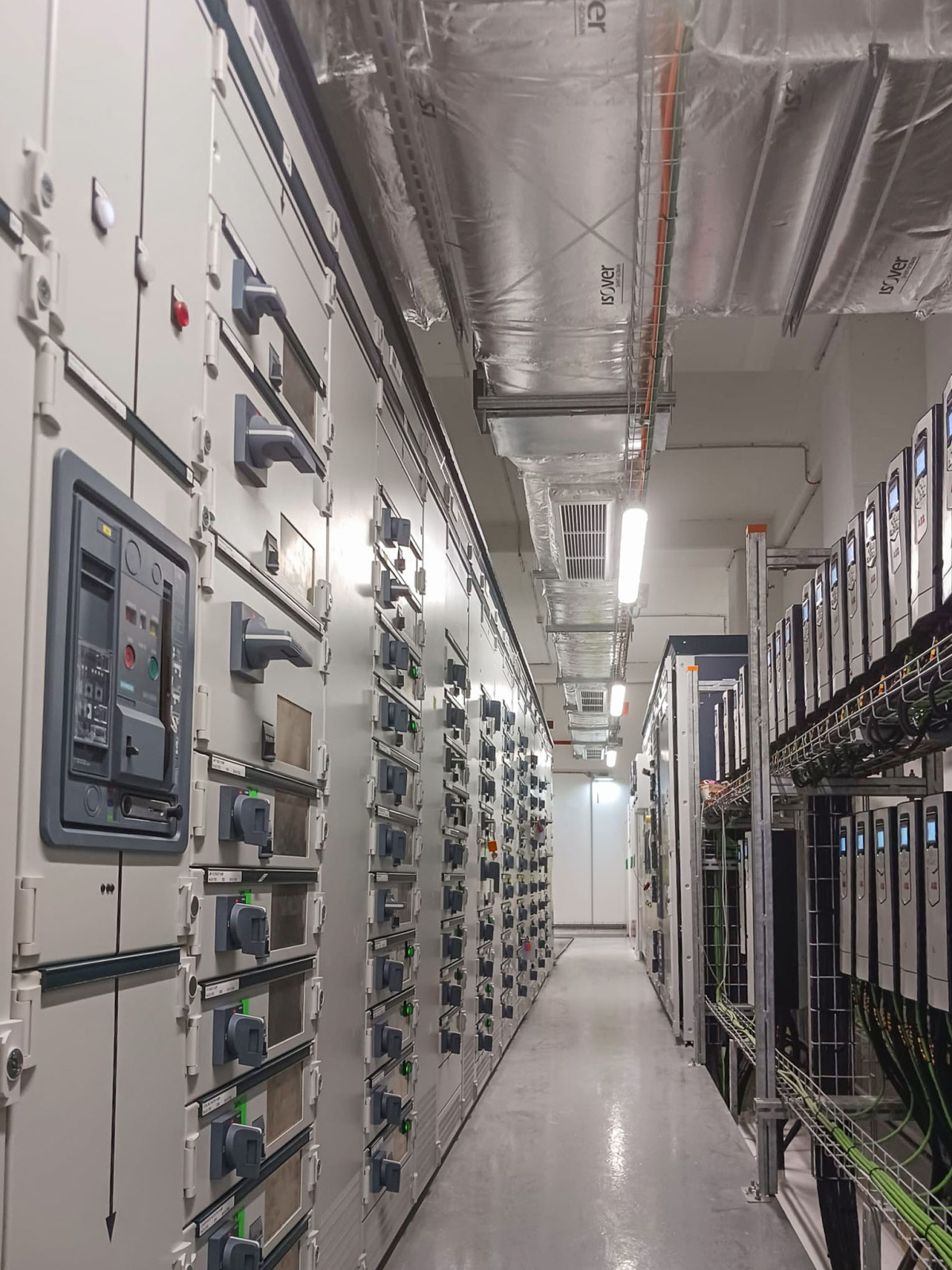
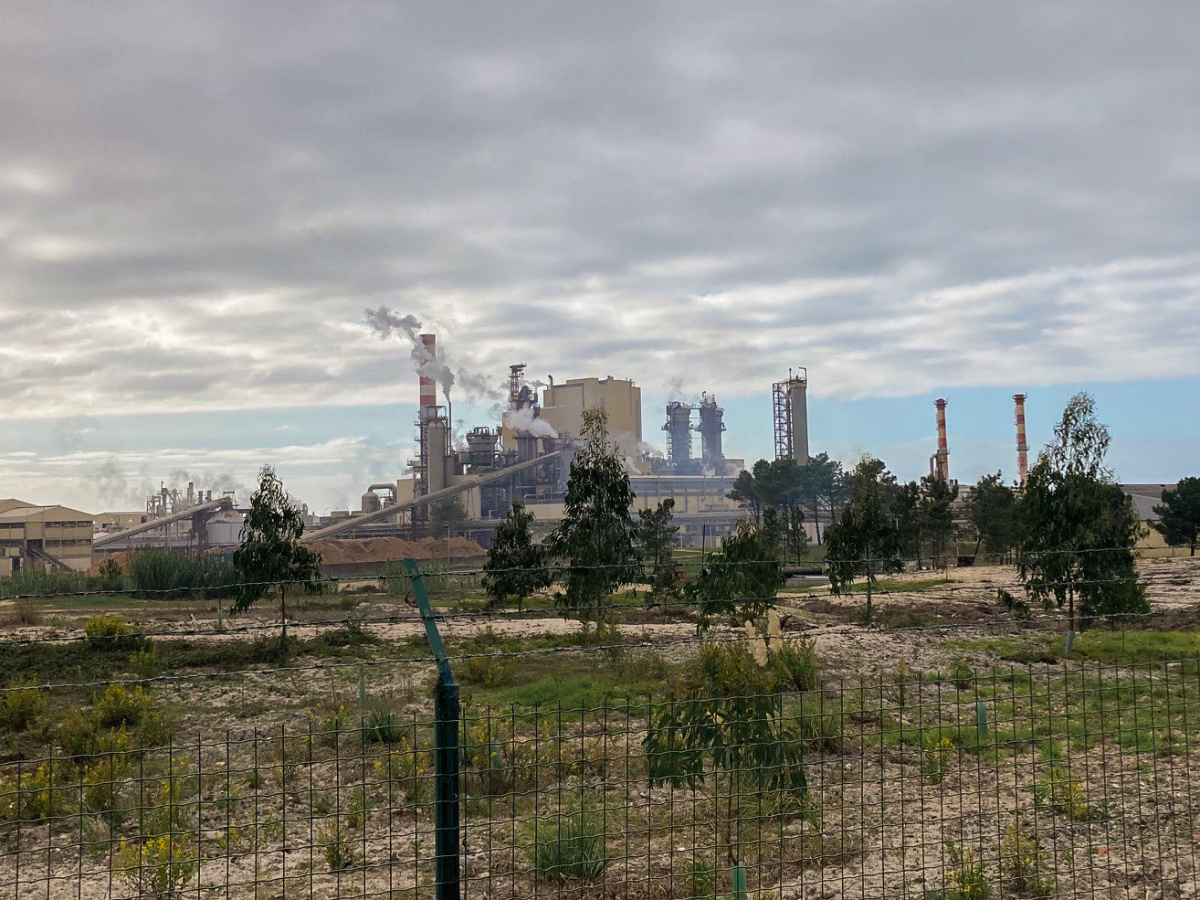
In the Navigator project in Figueira da Foz, RACE was responsible for the execution of the HVAC solutions in the electrical panel room, a technically demanding space where the control of environmental conditions is essential to ensure the safety, performance and reliability of the equipment.
The implemented solution ensures air treatment and filtration, temperature control and room pressurization, responding efficiently to the high thermal loads generated by the electrical panels.
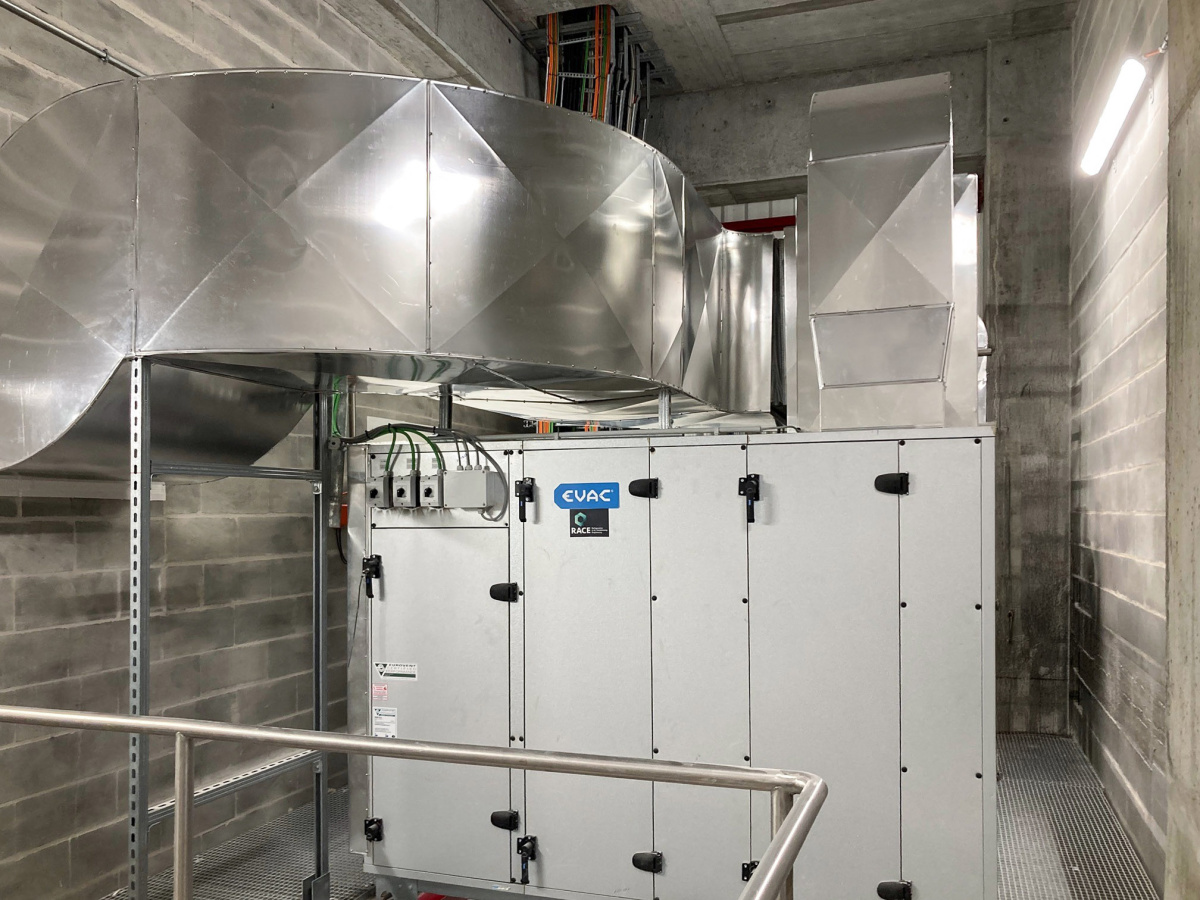
The system consists of an AHU, associated with a FAHU, which operates at a constant flow rate and integrates F7 filtration and a cooling battery, equipped with an electropneumatic valve Valmet to regulate the water flow, allowing to effectively compensate for the thermal loads existing in the space. The FAHU guarantees the pressurization of the room at 20 Pa, with the doors closed, contributing to the maintenance of a controlled and protected environment. The outside air is subjected to a mechanical and chemical filtration process, through a solution composed of a washable pre-filter, G4 filters, chemical filtration and F9 final filter.
The control and management of HVAC equipment is carried out through a display installed on the board, integrated with the DCS PLC system, allowing centralized operation and effective monitoring of the operating conditions of the installation.
RACE's intervention also included the work associated with smoke control, according to the SCIE project. The solution includes the action of the smoke extraction fan and the opening of the antechamber doors after the discharge of the extinguishing agent, ensuring integration between the different safety systems of the installation.
To complement the solution, thermal insulation and mechanical lining of pipes and ducts were executed, reinforcing the protection of the facilities and contributing to their durability and performance over time.
With this intervention, RACE contributed to an integrated solution, designed to respond to the demands of space, reconciling efficiency, environmental control, equipment protection and safety.
